

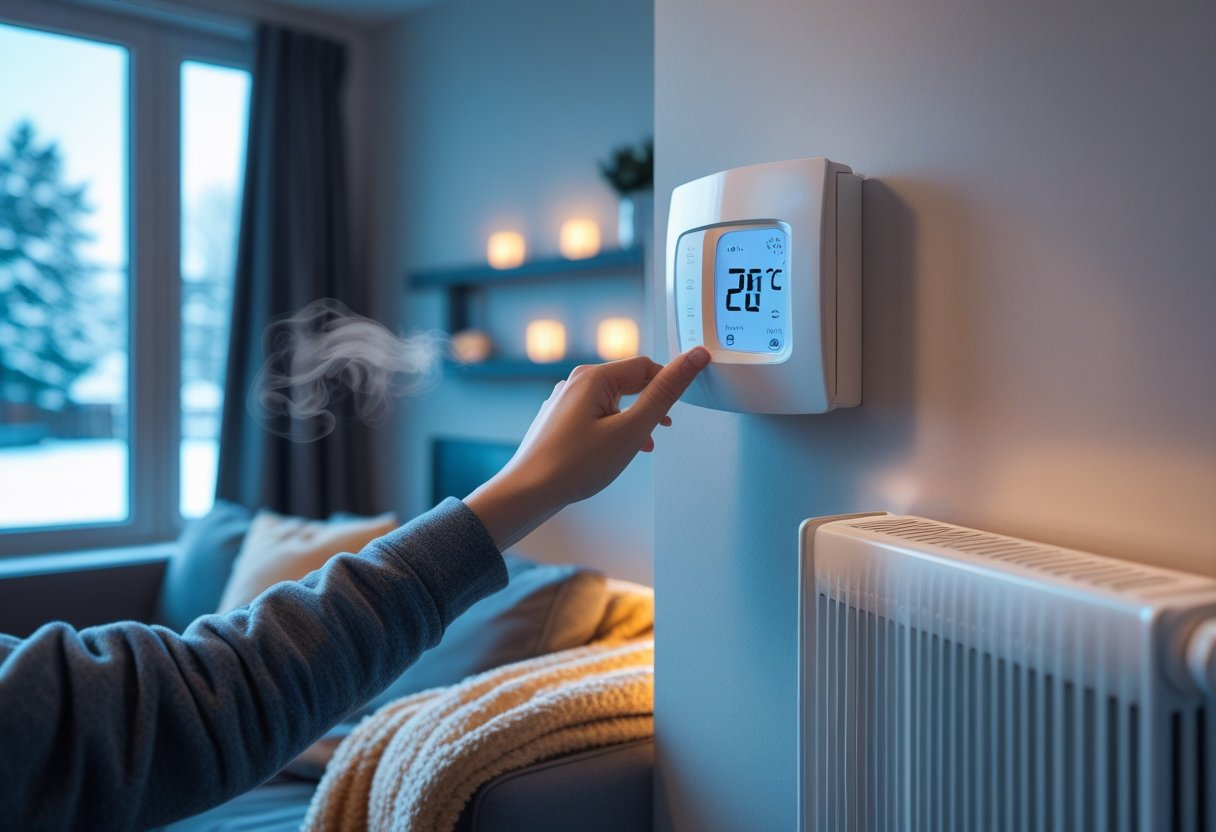
Changing the thermostat should make a home feel more comfortable, not warmer. When the temperature setting is lowered, but the rooms still feel hot, homeowners may wonder whether the thermostat is wrong, the air conditioner is struggling, or airflow is not reaching the right areas. This issue can be frustrating because the system may still turn on, blow air, and appear active. Air conditioning repair service matters because it helps separate thermostat problems from deeper cooling issues. A warmer home after a thermostat change often indicates a problem that needs careful attention before discomfort worsens.
Comfort Starts with Correct Control
- Checking Whether the Thermostat Is Reading Properly
A thermostat is the control point for the cooling system, so even a small issue with its reading can affect the whole home. If the thermostat is installed near sunlight, electronics, lamps, kitchen heat, or a drafty wall, it may sense the wrong temperature and send poor signals to the air conditioner. Sometimes the problem begins after a new thermostat is installed, batteries are changed, settings are adjusted, or programming is updated. Air conditioning repair service helps by checking whether the thermostat is calibrated, wired correctly, placed in a sensible location, and communicating properly with the cooling equipment. Homeowners dealing with confusing temperature changes may consider Caddo Mills Air conditioning repair service when the thermostat setting no longer matches how the home actually feels. A careful review can show whether the thermostat itself is causing the issue or merely revealing a larger cooling problem.
- Finding Cooling Problems Hidden Behind Settings
A thermostat change can make an existing air conditioning problem more noticeable. For example, if the home feels warmer after lowering the thermostat setting, the system may be running but not removing enough heat. This can happen because of dirty coils, low refrigerant, restricted airflow, a weak blower motor, a clogged filter, or trouble with the outdoor unit. The thermostat may be asking for cooler air, but the equipment may not be able to deliver it. Air conditioning repair service matters because it looks beyond the number on the display and checks the parts responsible for actual cooling. Without that inspection, homeowners may keep changing settings, switching modes, or lowering the temperature even more, while the real issue continues. A repair visit can determine whether the air coming from the vents is properly cooled, whether the system is cycling correctly, and whether heat is being released outside as it should.
- Preventing Longer Run Times and Rising Costs
When a home feels warmer after a thermostat adjustment, the air conditioner may run longer to meet the new setting. If the equipment is not cooling correctly, those longer run times can increase energy use without creating real comfort. This situation can become expensive because the system keeps working while the indoor temperature barely improves. Air conditioning repair service can help determine whether the unit is overworking due to a control issue, airflow restriction, dirty components, or reduced cooling performance. It can also show whether the thermostat schedule is forcing the system to recover from large temperature swings during the hottest parts of the day. A better repair plan may include cleaning, part replacement, airflow correction, thermostat adjustment, or improved programming guidance. By addressing the cause instead of repeatedly changing the setting, homeowners can reduce waste and help the system cool the home with less strain.
- Improving Room-to-Room Temperature Balance
A thermostat change may also reveal uneven cooling across the home. The thermostat might be located in one area that cools quickly, while bedrooms, offices, or upstairs rooms stay warmer. In that case, lowering the setting may not solve the real problem because the air distribution is uneven. Air conditioning repair service matters because it can check ductwork, vents, return air pathways, filter condition, blower performance, and insulation concerns that affect how cooled air moves. A room with poor airflow may continue to feel warm no matter what number appears on the thermostat. Service can also identify whether closed doors, blocked registers, leaky ducts, or poor return airflow are creating pressure problems. When airflow is balanced better, the thermostat can guide the system more accurately, and the whole home has a better chance of reaching a comfortable temperature. This makes daily routines easier, especially during hot afternoons and warm nights.
- Protecting the System from Control-Related Wear
Frequent thermostat changes can put additional strain on an air conditioner if the system is already struggling. Constantly lowering the setting may cause longer cycles, shorter recovery breaks, and heavier demand on the compressor, fan motor, and electrical parts. If the thermostat is miswired or sending irregular signals, the system may cycle in a way that increases wear. Air conditioning repair service helps protect the equipment by checking both the control and mechanical sides of the cooling process. This matters because a thermostat issue can seem simple yet cause repeated stress behind the scenes. A repair visit can confirm whether the thermostat, control board, wiring, sensors, or equipment response needs attention. Solving the issue early can reduce the chance of sudden breakdowns during peak heat. It also helps homeowners avoid treating the thermostat like the only solution when the air conditioner itself needs care.
Thermostat Changes Should Improve Comfort
Air conditioning repair service matters when a home feels warmer after a thermostat change because the problem may involve more than a setting. The thermostat may be placed poorly, reading incorrectly, wired wrong, or exposing a deeper cooling issue. Weak airflow, dirty coils, low refrigerant levels, duct leaks, and equipment strain can all prevent the home from reaching the desired temperature. Repair service helps uncover the real cause, so homeowners do not waste time lowering the setting again and again. When the thermostat and cooling system work together properly, indoor comfort becomes steadier, energy use becomes easier to manage, and warm rooms become less frustrating.
