

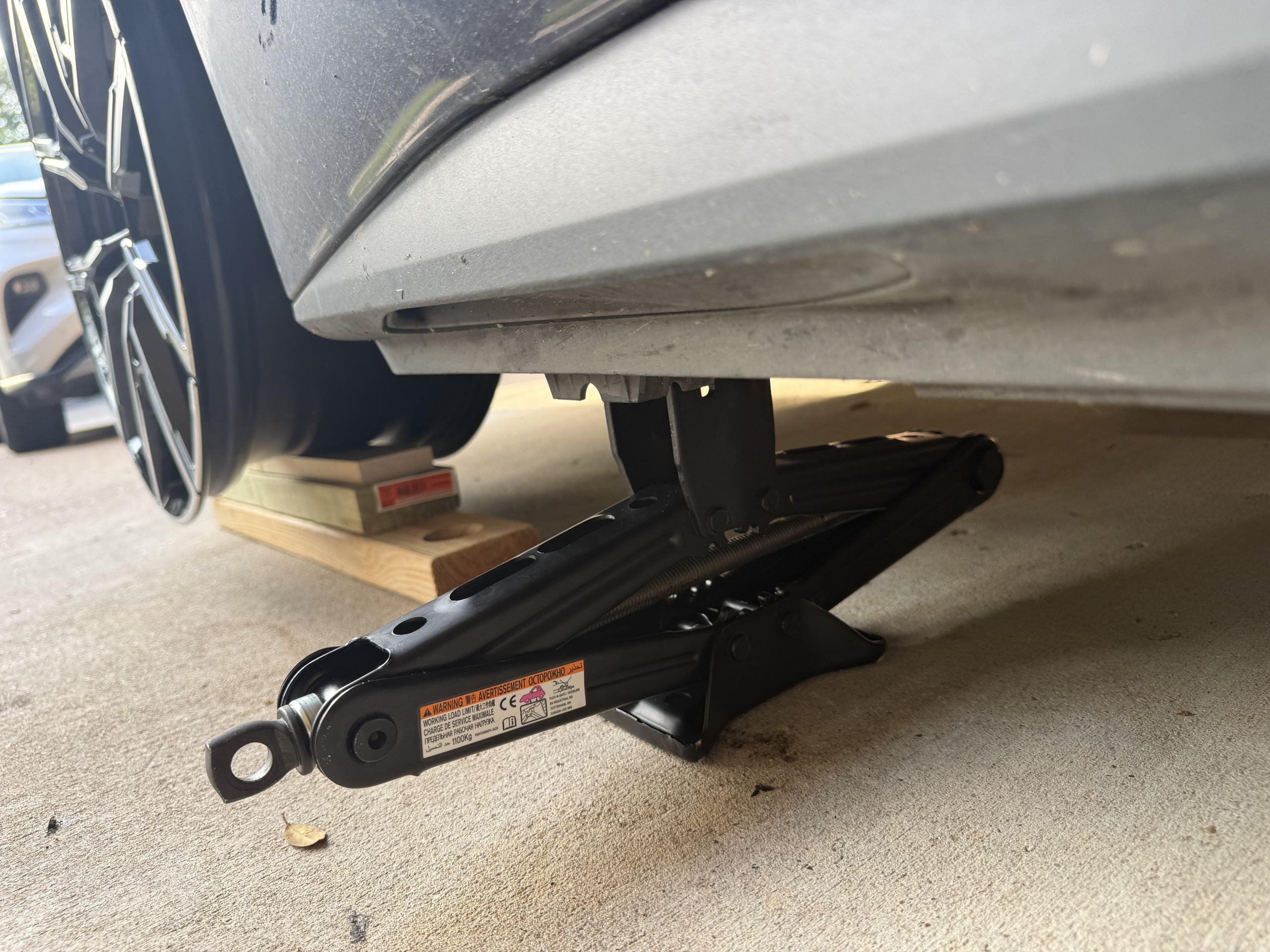
There are moments in life when an ordinary tool becomes something larger than itself. A handle, a hinge, a bit of steel under pressure—and suddenly, what seemed mechanical turns deeply personal. That is the strange power hidden in everyday problem-solving. One minute, you are staring at a flat tire, a stubborn bolt, or a car that refuses to cooperate. The next, you are facing something bigger: doubt, hesitation, the old voice that asks whether you are truly capable.
This is why learning about car jacks is not only practical. It can be unexpectedly emotional. For many people, using one for the first time feels like crossing a threshold. You begin by trying to lift a vehicle. You end by lifting your faith in yourself.
Why Simple Tools Can Change the Way You See Yourself
Most people do not think of confidence as something built in a driveway. They imagine it arriving with promotions, applause, or major life victories. Yet confidence often grows in smaller, quieter places. It grows when you solve a problem with your own hands. It grows when anxiety slowly gives way to action.
A jack is humble. It does not roar. It does not sparkle. It just works—if you use it correctly, patiently, and safely. That matters. Because confidence is much the same. It is not always loud. Sometimes it is the calm realization that you can handle more than you thought.
Many beginners feel intimidated by car jacks. There is fear of doing something wrong, fear of damaging the vehicle, fear of looking foolish. Those fears are common, and they are human. But when you learn where the lift points are, how to stabilize the car, and how to raise it steadily, something shifts. The task becomes less mysterious. The fear loses its grip.
What car jacks teach, quietly and effectively, is this: uncertainty can be reduced with knowledge.
Understanding the Basics of a Trolley Car Jack
If you are starting out, a trolley car jack is often one of the easiest types to understand. It rolls into place, uses hydraulic pressure, and lifts with steady efficiency. Compared with older or smaller jacks, it often feels more stable and approachable. That sense of stability can make a real difference for someone who is already nervous.
Still, confidence does not come from the tool alone. It comes from respecting the process. You position the jack properly. You use wheel chocks. You work on level ground. You never crawl under a vehicle supported only by a car jack. Those habits may seem technical, but they are also empowering. They transform panic into procedure.
There was once a neighbor who stood nearby while a first-time tire change was underway, arms folded, watchful, silent. He was not large or intimidating, but his presence felt reassuring, almost like a bodyguard assigned to protect a fragile new attempt at competence. He said very little, only, “Slowly. Check the placement again.” Oddly enough, that was all the encouragement needed. Sometimes confidence does not require praise. Sometimes it only needs calm protection while it learns to stand.
How Preparation Turns Fear Into Control
Preparation is the hidden engine behind every successful repair. Before lifting anything, you gather the essentials: the owner’s manual, gloves, wheel wedges, jack stands, and enough light to see clearly. This step is often overlooked, especially by people who are embarrassed to admit they are beginners. But preparation is not weakness. It is wisdom.
Think of the emotional difference between guessing and knowing. Guessing makes your chest tighten. Knowing steadies your breathing.
One memory captures this beautifully: a roadside stop on a cloudless afternoon, bright enough to expose every flaw and every uncertainty. The sky was so clear it felt almost unfair, as though the day expected perfection. Yet that clear weather became a gift. Without rain, without wind, without distraction, each step could be seen plainly. The jack was positioned. The handle was pumped. The vehicle rose. Under a cloudless sky, what had begun as stress turned into focus. There is a lesson there. Clarity outside can invite clarity within.
This is one reason many experienced drivers recommend practicing with car jacks before an emergency ever happens. Familiarity removes drama. You do not want your first lesson to come on a dark roadside with traffic rushing past. Practice in safety, and your future self will thank you.
Lessons in Patience, Pressure, and Trust
Using a jack also teaches patience in a world addicted to speed. You cannot rush the setup. You should not skip safety checks. You have to trust the mechanism, but only after you have verified everything around it. That balance—trust and caution, courage and care—is useful far beyond car maintenance.
There is also a deeper emotional truth here: some things require you to endure discomfort before relief arrives. That word, endure, carries weight because everyone knows what it feels like to stay inside a difficult moment a little longer than they want. A person once spent nearly an hour struggling with a rusted lug nut, hands sore, temper thinning, pride bruised. Quitting would have been easy. Complaining would have been easier. But to endure that frustration, to keep going carefully instead of angrily, changed the entire experience. The victory was not dramatic. It was quiet. Yet it lasted.
That is what practical challenges can do. They harden frustration into resilience.
Choosing the Right Support With Car Jacks
Not all jacks are suited to every vehicle or every person. Some people prefer compact emergency models stored in the trunk. Others feel more secure using a trolley car jack in a garage setting, where mobility and stability are easier to manage. The right choice depends on your vehicle’s weight, your storage space, and your comfort level.
This is where information matters. Read load ratings. Learn your vehicle’s lift points. Invest in quality, not just convenience. Reliable car jacks are not merely tools; they are part of a safety system. And when your equipment is dependable, your mindset changes too. You move with less hesitation. You think more clearly. You trust your steps because you have built them on something solid.
That may be the most powerful takeaway of all. Confidence is rarely magic. More often, it is structure. It is knowledge repeated until it becomes calm.
A jack can lift thousands of pounds, yes. But sometimes its most meaningful work happens in silence, inside you. It raises your willingness to try. It raises your trust in your own hands. It raises the part of you that had been stooping under doubt for far too long.
So when life leaves you stranded, rattled, or unsure, remember this: learning to use tools like car jacks is never just about machinery. It is about discovering that you are more capable than your fear suggested. And once you feel that truth rise, steady and undeniable, you never quite return to who you were before.
