

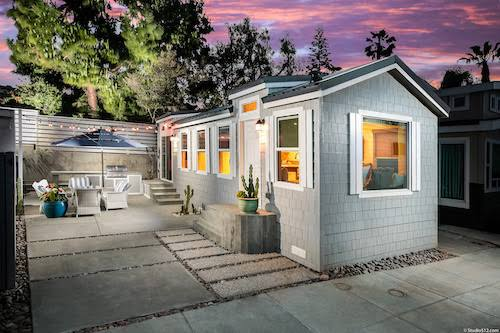
As families grow and change, the need for adaptable living spaces becomes more important than ever. Custom backyard homes, also known as accessory dwelling units (ADUs), offer a practical and stylish solution for those seeking flexibility in their living arrangements. Whether you want to accommodate aging parents, provide a private space for adult children, or create a rental opportunity, backyard homes can be tailored to fit a variety of needs. With thoughtful design and careful planning, these compact dwellings maximize available space while enhancing the overall value and functionality of your property.
What to Expect from Custom Backyard Homes
The Appeal of Backyard Homes for Modern Families
Backyard homes have surged in popularity as families look for ways to make the most of their properties without sacrificing comfort or privacy. These structures are more than just tiny houses; they are fully functional residences that can be customized to suit a wide range of lifestyles. For families with multigenerational needs, a backyard home provides a private retreat for grandparents or young adults, allowing everyone to maintain independence while staying close. Homeowners also appreciate the potential for rental income, which can help offset mortgage costs or fund future projects. The flexibility of backyard homes means they can serve as guest suites, home offices, or creative studios, adapting as your family’s needs evolve over time. With the right design, these homes blend seamlessly into existing landscapes, enhancing both the aesthetic and practical value of your property.
Designing for Flexibility and Comfort
When planning a custom backyard home, thoughtful design is essential to ensure comfort and usability. Every square foot must be optimized to create a space that feels open and inviting, despite its smaller footprint. Large windows, high ceilings, and clever storage solutions can make a compact home feel surprisingly spacious. Many homeowners choose to include features like full kitchens, modern bathrooms, and private entrances to provide all the amenities of a traditional home. Working with small home builders for ADU projects ensures that your backyard home is tailored to your specific needs, from accessibility considerations to energy-efficient upgrades. The design process often involves close collaboration between homeowners and builders, resulting in a unique space that reflects your personal style and functional requirements. By focusing on flexibility, these homes can easily transition from guest quarters to rental units or even home offices as your family’s needs change.
Navigating Local Regulations and Permitting
Building a custom backyard home involves more than just design and construction; it also requires navigating local zoning laws and permitting processes. Each city or county may have its own set of rules regarding the size, placement, and use of accessory dwelling units. Homeowners must ensure that their plans comply with setback requirements, height restrictions, and utility connections. Some areas may require additional parking spaces or limit the number of occupants in an ADU. Understanding these regulations early in the planning process can help avoid costly delays and ensure a smooth project timeline. Many builders offer guidance on permitting and can assist with submitting the necessary documents to local authorities. By staying informed and proactive, homeowners can streamline the approval process and move forward with confidence, knowing their backyard home meets all legal requirements.
Maximizing Value and Return on Investment
Investing in a custom backyard home can significantly increase the value of your property while providing ongoing financial benefits. These versatile structures appeal to a wide range of buyers, from families seeking multigenerational living options to investors interested in rental income. A well-designed ADU can command premium rents, especially in areas with high housing demand. Additionally, backyard homes offer a cost-effective way to expand living space without the expense and disruption of a major home addition. Many homeowners find that the increased property value and potential rental income quickly offset the initial construction costs. By choosing durable materials and energy-efficient systems, you can further enhance the long-term value of your investment. Whether you plan to use the space for family, guests, or tenants, a custom backyard home is a smart way to make your property work harder for you.
Sustainable Living in Backyard Homes
Sustainability is a key consideration for many homeowners building backyard homes. These compact dwellings naturally use fewer resources than larger houses, making them an environmentally friendly choice. Incorporating features like solar panels, energy-efficient appliances, and water-saving fixtures can further reduce your environmental footprint. Many backyard homes are designed with passive heating and cooling strategies, such as strategic window placement and high-quality insulation, to minimize energy use year-round. By choosing sustainable materials and construction methods, you can create a home that is both comfortable and eco-conscious. This commitment to sustainability not only benefits the environment but can also lead to lower utility bills and increased appeal to future buyers or renters.
A Quick Look at Customization Options
Custom backyard homes can be tailored with unique finishes, smart technology, and flexible layouts to suit any lifestyle, whether you need a cozy retreat or a fully equipped residence. Homeowners can select everything from exterior materials to interior fixtures, ensuring the finished space reflects their personal taste and functional needs. This level of customization allows each backyard home to blend seamlessly with the main house and surrounding landscape, creating a cohesive and attractive property.
Overcoming Common Challenges
While the benefits of custom backyard homes are clear, there are also challenges to consider during the planning and construction process. Limited space can make it difficult to include all desired features, requiring creative solutions and careful prioritization. Budget constraints may also impact material choices or design elements, making it important to set realistic expectations from the outset. Additionally, coordinating construction on an occupied property can present logistical hurdles, such as maintaining privacy and minimizing disruption to daily life. Working with experienced builders who understand the unique demands of backyard home projects can help address these challenges and ensure a successful outcome. Open communication and detailed planning are key to overcoming obstacles and creating a space that meets your needs without unnecessary stress or compromise.
Conclusion
Custom backyard homes offer a flexible and practical solution for families seeking to adapt their living spaces to changing needs. These thoughtfully designed dwellings provide privacy, comfort, and versatility, making them ideal for multigenerational living, guest accommodations, or rental opportunities. By carefully considering design, local regulations, and sustainability, homeowners can create a backyard home that enhances both their property and quality of life. With the right approach, a custom backyard home becomes more than just an addition—it becomes a valuable asset that supports your family’s evolving lifestyle for years to come.
