

Trees are a valuable part of any property, offering shade, beauty, and even increasing home value. However, trees can also develop problems that, if left unaddressed, may lead to property damage, safety hazards, or the loss of the tree itself. Homeowners often overlook early warning signs, which can result in costly repairs or removal down the line. Understanding the most common tree problems and knowing when to take action is essential for maintaining a healthy landscape. By staying informed and proactive, you can protect both your trees and your property from avoidable issues.
Key tree issues to watch for
Signs of Disease in Trees
Tree diseases are a frequent concern for homeowners and can manifest in various ways, often going unnoticed until significant damage has occurred. Fungal infections, such as powdery mildew or root rot, can cause leaves to discolor, wilt, or drop prematurely. Bacterial and viral diseases may lead to cankers, oozing sap, or unusual growths on branches and trunks. Early detection is crucial, as some diseases spread rapidly and can affect not only the infected tree but also neighboring plants. Regularly inspecting your trees for changes in leaf color, texture, or growth patterns can help catch diseases before they become severe. If you notice persistent issues, consulting a professional is recommended to determine the cause and appropriate treatment. Ignoring these signs can result in the decline or death of the tree, potentially impacting the overall health of your landscape.
The Dangers of Pest Infestations
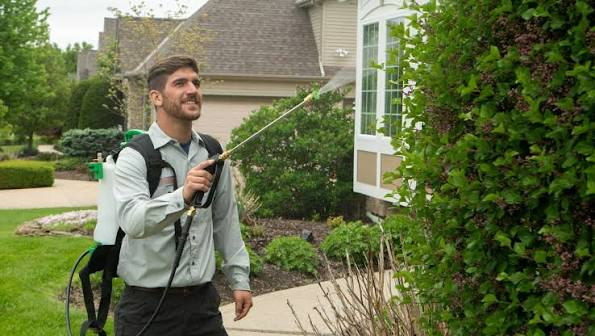
Pest infestations are another major problem that can threaten the health and stability of trees. Insects such as borers, aphids, and caterpillars feed on leaves, bark, or wood, weakening the tree and making it more susceptible to disease and environmental stress. Some pests, like the emerald ash borer, are particularly destructive and can kill a tree within a few years if not managed promptly. Homeowners should look for signs such as holes in the bark, sawdust-like material at the base, or clusters of insects on leaves and branches. These indicators often point to an active infestation that requires immediate attention. Addressing pest problems early can prevent widespread damage and reduce the need for costly interventions. For persistent or severe infestations, a tree service can provide targeted treatments to protect your trees and restore their health.
Structural Problems and Safety Hazards
Structural issues in trees, such as cracks, splits, or leaning trunks, can pose significant safety risks to people and property. These problems often develop gradually due to storms, improper pruning, or natural growth patterns. A tree with a compromised structure is more likely to lose branches or fall during high winds or heavy rain, potentially causing injury or damage to nearby buildings, vehicles, or power lines. Homeowners should pay attention to visible signs like large dead branches, exposed roots, or cavities in the trunk. Addressing structural problems early can help prevent accidents and extend the life of the tree. In some cases, corrective pruning or cabling may be necessary to stabilize the tree, while severely damaged trees may need to be removed to eliminate the risk entirely. Regular inspections by a qualified professional can help identify and mitigate these hazards before they escalate.
Root Issues and Soil Compaction
Healthy roots are essential for a tree’s stability and ability to absorb water and nutrients. However, root problems are often hidden below ground, making them difficult to detect until symptoms appear above the surface. Soil compaction, caused by heavy foot traffic or construction, restricts root growth and limits access to oxygen and water. This can lead to stunted growth, yellowing leaves, and increased vulnerability to disease and drought. Additionally, roots that are damaged by digging, construction, or lawn equipment may become infected or rot, further compromising the tree’s health. Homeowners should be cautious when working near trees and avoid piling soil or mulch against the trunk, as this can suffocate roots and promote decay. If you suspect root issues, a professional assessment can help determine the extent of the problem and recommend solutions such as soil aeration or root pruning to restore tree health.
Quick Tips for Tree Health
Regular watering, proper mulching, and timely pruning are simple steps that can help maintain tree health and prevent many common problems. Monitoring your trees for changes in appearance or growth can alert you to issues before they become serious. When in doubt, seeking professional advice ensures your trees receive the care they need to thrive.
Environmental Stress and Weather Damage
Environmental stress is a significant factor that can weaken trees and make them more susceptible to other problems. Extreme temperatures, drought, excessive rainfall, and strong winds can all take a toll on tree health. Drought conditions may cause leaves to wilt, curl, or drop prematurely, while excessive moisture can lead to root rot and fungal infections. Storms can break branches, strip leaves, or even uproot entire trees, especially if the tree is already weakened by disease or poor structure. Homeowners should be vigilant after severe weather events, checking for broken limbs, leaning trunks, or exposed roots. Promptly addressing storm damage can prevent further decline and reduce the risk of falling branches or trees. In some cases, preventive measures such as staking young trees or installing lightning protection systems may be beneficial, particularly for valuable or vulnerable specimens. Maintaining overall tree health through proper care can help trees withstand environmental stress and recover more quickly from adverse conditions.
When to Seek Professional Help
Knowing when to call in a professional is crucial for addressing tree problems effectively and safely. While some minor issues can be managed with regular maintenance, more serious concerns such as large dead branches, significant leaning, or signs of disease and infestation often require specialized knowledge and equipment. Attempting to handle these problems without proper training can be dangerous and may result in further damage to the tree or property. Professionals can assess the situation, diagnose the underlying cause, and recommend appropriate treatments or interventions. They can also provide guidance on preventive care to reduce the likelihood of future problems. Investing in professional help not only protects your trees but also ensures the safety of your home and family. Regular inspections and timely interventions can extend the life of your trees and preserve the beauty and value of your landscape.
Conclusion
Caring for trees involves more than just occasional watering or pruning; it requires ongoing attention to their health and environment. Ignoring early warning signs of disease, pests, structural issues, or environmental stress can lead to costly damage and even the loss of valuable trees. By staying alert to changes in your trees and seeking help when needed, you can prevent many common problems from escalating. Healthy trees contribute to a safer, more attractive property and provide lasting benefits for years to come. Taking a proactive approach to tree care is an investment in both your landscape and your peace of mind.
