

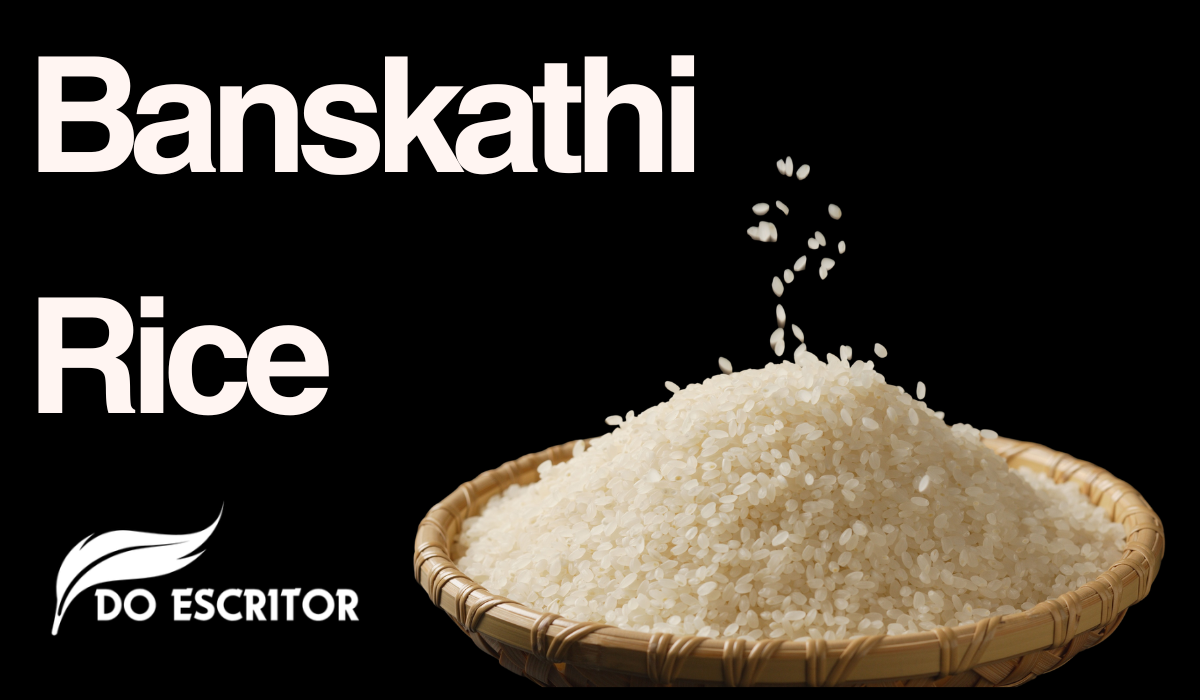
Rice has long been one of the most important staple foods across the world, supporting cultures, traditions, and cuisines for thousands of years. Among the countless rice varieties cultivated throughout South Asia, banskathi rice holds a special place due to its unique characteristics, traditional significance, and distinctive taste. While many consumers are familiar with globally recognized rice varieties, regional grains such as banskathi rice continue to attract attention from food enthusiasts, farmers, and health-conscious consumers seeking authentic and naturally grown options.
The growing interest in traditional agricultural products has encouraged many people to rediscover forgotten grains. Banskathi rice is one such variety that reflects the rich agricultural heritage of rice-growing regions. Its aroma, texture, cultivation methods, and cultural value make it more than just a staple food—it represents generations of farming knowledge and culinary traditions.
Understanding Banskathi Rice
Banskathi rice is a traditional rice variety known for its distinctive grain quality and regional importance. Like many indigenous rice cultivars, it has been cultivated for generations and is often valued for its adaptability to local climatic conditions.
Traditional rice varieties generally differ from commercial hybrid varieties in several ways. They often possess unique flavors, natural resilience, and characteristics developed over centuries of cultivation. Banskathi rice belongs to this category of heritage grains that continue to be appreciated by farmers and consumers who value authenticity and traditional agriculture.
Many traditional rice varieties have survived because of local communities that preserved seeds and cultivation methods. Banskathi rice stands as an example of how regional farming traditions continue to contribute to agricultural diversity.
The Historical Significance of Banskathi Rice
The story of banskathi rice is closely tied to the agricultural history of rural communities. Before the widespread adoption of modern high-yield hybrids, farmers relied heavily on indigenous rice varieties that were well suited to local soil and weather conditions.
These traditional varieties were carefully selected and preserved through generations. Farmers chose seeds from the best-performing plants, gradually developing rice strains that could withstand local challenges while producing desirable grains.
For many farming communities, rice cultivation is not merely an economic activity. It is deeply connected to cultural celebrations, seasonal festivals, and family traditions. Banskathi rice has often been part of these practices, appearing in daily meals as well as special occasions.
As awareness grows regarding biodiversity and sustainable agriculture, many people are once again recognizing the value of heritage grains like banskathi rice.
What Makes Banskathi Rice Unique?
Several qualities contribute to the growing appreciation of banskathi rice.
Distinctive Flavor Profile
One of the most attractive features of banskathi rice is its taste. Traditional rice varieties often offer more complex flavors than highly commercialized alternatives. Depending on growing conditions and local cultivation methods, banskathi rice can provide a satisfying balance of texture and flavor that complements a wide range of dishes.
Natural Aroma
Many consumers seek rice varieties with a pleasant aroma. Banskathi rice is often appreciated for its subtle fragrance, which enhances the overall dining experience and makes even simple meals more enjoyable.
Texture After Cooking
The texture of cooked rice significantly affects its culinary appeal. Banskathi rice generally cooks into grains that maintain their structure while remaining tender. This balance makes it suitable for both traditional and modern recipes.
Traditional Cultivation Heritage
Unlike many mass-produced rice varieties, banskathi rice is associated with traditional farming systems. This connection adds cultural and historical value that appeals to consumers interested in authentic food experiences.
Growing Conditions for Banskathi Rice
The quality of any rice variety depends heavily on environmental factors. Banskathi rice typically thrives in regions where climatic conditions support healthy paddy cultivation.
Several factors influence its successful growth:
- Fertile soil with good water retention
- Adequate rainfall during the growing season
- Proper irrigation management
- Favorable temperatures
- Traditional farming knowledge
Farmers often understand local ecosystems exceptionally well, allowing them to cultivate banskathi rice efficiently while preserving soil health and productivity.
The ability of traditional rice varieties to adapt to specific regional conditions is one reason why they have remained valuable over time.
Cultivation Practices
The cultivation of banskathi rice often reflects traditional agricultural techniques that have been refined through generations.
Seed Selection
Quality seed selection is a crucial first step. Farmers typically choose healthy seeds from previous harvests to maintain genetic purity and grain quality.
Nursery Preparation
Rice seedlings are commonly raised in prepared nursery beds before being transplanted into larger paddy fields. Proper nursery management helps establish strong and healthy plants.
Field Management
Fields are carefully prepared to ensure proper water management and nutrient availability. Traditional farming communities often combine experience and observation to determine the best cultivation practices.
Weed and Pest Control
Many farmers use integrated approaches to manage pests and weeds. Traditional methods, biological controls, and careful monitoring help protect crops while minimizing unnecessary interventions.
Harvesting
The timing of harvest significantly affects grain quality. Farmers typically harvest banskathi rice when the grains reach optimal maturity, ensuring the best flavor, texture, and storage characteristics.
Nutritional Value of Banskathi Rice
Rice serves as an important source of energy for millions of people. While nutritional content can vary depending on cultivation methods and processing, banskathi rice generally contributes valuable nutrients as part of a balanced diet.
Potential nutritional benefits include:
- Complex carbohydrates for sustained energy
- Small amounts of protein
- Essential minerals
- Natural plant compounds
- Low fat content
When consumed as part of a diverse diet rich in vegetables, legumes, fruits, and healthy proteins, rice can support overall nutritional needs.
Many people also prefer traditional rice varieties because they often undergo less intensive breeding compared to modern commercial cultivars.
Health Benefits Associated with Traditional Rice Varieties
The popularity of traditional grains continues to rise as consumers seek wholesome and minimally processed foods.
Steady Energy Source
Rice provides carbohydrates that fuel daily activities. Banskathi rice can serve as a dependable source of energy for individuals with active lifestyles.
Easy Digestibility
Many rice varieties are known for being gentle on digestion. Properly cooked banskathi rice can be incorporated into a variety of meal plans.
Versatile Dietary Option
Rice fits naturally into numerous dietary patterns around the world. Whether paired with vegetables, legumes, seafood, or meats, banskathi rice adapts easily to different cuisines.
Supports Balanced Meals
Rice acts as an excellent foundation for nutritionally balanced meals by complementing protein-rich and fiber-rich foods.
Culinary Uses of Banskathi Rice
One reason for the enduring popularity of banskathi rice is its remarkable versatility in the kitchen.
Everyday Meals
Many households enjoy banskathi rice as part of daily lunches and dinners. Its pleasant texture pairs well with a variety of side dishes.
Traditional Rice Preparations
Regional cuisines often showcase rice in unique ways. Banskathi rice can be used in traditional recipes that highlight its flavor and texture.
Rice-Based Festive Dishes
Special occasions frequently feature rice-based delicacies. From celebratory feasts to family gatherings, banskathi rice may be incorporated into dishes prepared for important events.
Rice Porridge and Comfort Foods
Rice porridge remains a comforting dish across many cultures. The gentle texture of cooked banskathi rice makes it suitable for simple and nourishing meals.
Modern Fusion Recipes
Contemporary chefs increasingly experiment with traditional grains. Banskathi rice can appear in salads, grain bowls, stuffed vegetables, and innovative fusion dishes.
How to Cook Banskathi Rice Perfectly
Cooking rice correctly enhances its natural qualities. While specific methods may vary, the following approach often produces excellent results.
Step 1: Rinse Thoroughly
Wash the rice several times until the water becomes relatively clear. This removes excess surface starch and impurities.
Step 2: Soak if Desired
Soaking may help improve texture and reduce cooking time. Many cooks soak rice for 20 to 30 minutes before cooking.
Step 3: Use the Right Water Ratio
The ideal water-to-rice ratio can vary based on grain characteristics and personal preference. Experimentation may be necessary to achieve the desired consistency.
Step 4: Cook Gently
Allow the rice to simmer steadily rather than boiling aggressively. Gentle cooking promotes even grain development.
Step 5: Rest Before Serving
After cooking, let the rice rest for several minutes with the lid closed. This helps the grains absorb remaining moisture and improve texture.
The Role of Banskathi Rice in Local Economies
Agriculture remains a critical source of livelihood in many rural regions. Traditional rice varieties like banskathi rice contribute to local economies in multiple ways.
Farmers who cultivate heritage grains often participate in niche markets where consumers value authenticity and quality. This demand can create opportunities for higher-value agricultural products.
Local seed preservation efforts also help maintain agricultural diversity, supporting resilience against changing environmental conditions.
The continued cultivation of banskathi rice may provide economic benefits while preserving cultural traditions and farming knowledge.
Sustainability and Agricultural Biodiversity
Modern agriculture has achieved remarkable productivity gains, but it has also led to the decline of many traditional crop varieties.
Preserving rice varieties such as banskathi rice contributes to:
- Genetic diversity
- Climate resilience
- Cultural heritage conservation
- Food security
- Sustainable farming systems
Agricultural biodiversity plays an important role in ensuring long-term resilience. Diverse crop varieties provide valuable genetic resources that may help address future challenges related to pests, diseases, and climate change.
Supporting traditional rice cultivation can therefore have benefits that extend far beyond individual farms.
Why Consumers Are Rediscovering Heritage Rice Varieties
Consumer preferences are evolving rapidly. Many people now seek foods with clear origins, authentic stories, and traditional production methods.
Several factors have contributed to renewed interest in banskathi rice and similar heritage grains:
Appreciation for Authentic Foods
People increasingly value products connected to regional traditions and cultural heritage.
Interest in Sustainable Agriculture
Consumers often support farming practices that encourage biodiversity and environmental stewardship.
Culinary Exploration
Food enthusiasts enjoy discovering unique ingredients with distinctive flavors and textures.
Support for Local Farmers
Purchasing traditional agricultural products can help sustain rural communities and preserve local knowledge.
Comparing Banskathi Rice with Commercial Rice Varieties
While commercial rice varieties dominate large-scale production, traditional varieties such as banskathi rice offer different advantages.
| Feature | Banskathi Rice | Commercial Varieties |
|---|---|---|
| Heritage Value | High | Usually lower |
| Flavor Complexity | Often distinctive | Generally standardized |
| Cultural Significance | Strong | Limited |
| Biodiversity Contribution | High | Lower |
| Traditional Farming Connection | Strong | Variable |
This comparison highlights why many consumers choose traditional rice varieties despite the widespread availability of commercial alternatives.
Storage Tips for Banskathi Rice
Proper storage helps maintain freshness and quality.
Keep It Dry
Moisture can reduce grain quality and encourage spoilage. Store rice in a dry environment.
Use Airtight Containers
Airtight containers help protect rice from humidity and pests.
Avoid Direct Sunlight
Store rice in a cool, shaded location to preserve quality.
Rotate Stock
Use older rice first and replenish supplies regularly.
When stored properly, banskathi rice can retain its desirable characteristics for extended periods.
Cultural Importance of Rice Beyond Food
Rice occupies a unique place in many societies. It is often associated with prosperity, hospitality, and community.
Traditional rice varieties frequently hold special cultural significance because they are linked to local identities and regional histories. Banskathi rice represents more than a source of nourishment—it reflects the relationship between people, land, and tradition.
Many communities continue to celebrate agricultural milestones through festivals and ceremonies where rice plays a central role. Such traditions help preserve cultural heritage while strengthening social bonds.
Challenges Facing Traditional Rice Varieties
Despite their many advantages, traditional rice varieties face several challenges.
Competition from High-Yield Hybrids
Modern commercial varieties often produce larger harvests, making them attractive to farmers focused on maximizing output.
Changing Agricultural Practices
Mechanization and industrial farming systems may favor uniform crop varieties.
Loss of Traditional Knowledge
As younger generations move away from agriculture, valuable cultivation knowledge can be lost.
Market Access Limitations
Farmers growing heritage grains may struggle to reach consumers willing to pay premium prices.
Addressing these challenges requires collaboration among farmers, consumers, researchers, and policymakers.
The Future of Banskathi Rice
The future of banskathi rice appears promising as interest in traditional foods continues to expand. Growing awareness of biodiversity, sustainable agriculture, and regional culinary traditions has created new opportunities for heritage crops.
Researchers, agricultural organizations, and farming communities increasingly recognize the importance of preserving indigenous crop varieties. Through seed conservation programs, educational initiatives, and market development efforts, traditional rice varieties can continue to thrive.
Consumers also play an important role. By choosing heritage grains and supporting responsible farming practices, individuals help sustain agricultural diversity and cultural traditions.
Final Thoughts
Banskathi rice is far more than a simple staple grain. It represents generations of agricultural wisdom, regional identity, and culinary heritage. Its distinctive flavor, traditional cultivation methods, and cultural significance make it a valuable part of the broader landscape of rice diversity.
As more people seek authentic foods with meaningful stories behind them, banskathi rice continues to attract attention from farmers, chefs, food enthusiasts, and conscious consumers. Its preservation supports biodiversity, strengthens local economies, and keeps important agricultural traditions alive.
Whether enjoyed as part of a simple home-cooked meal or incorporated into innovative culinary creations, banskathi rice offers a connection to the rich history of traditional farming and the enduring importance of preserving heritage crops for future generations.
For more Visit: doescritor