

Pain that lingers without a clear explanation can disrupt every part of life. It affects sleep, mood, work performance, relationships, and even simple daily routines. Among the many pain-related conditions discussed in medical and wellness communities, inomyalgia has started to attract growing attention because of its complex nature and the wide range of symptoms associated with it.
While some people describe inomyalgia as persistent muscular discomfort combined with fatigue and sensitivity, others experience it as a condition that affects their energy, movement, and mental clarity all at once. Because symptoms vary from person to person, understanding the condition requires a broader look at how the body processes pain, inflammation, stress, and muscle tension.
This detailed guide explores inomyalgia from every angle, including symptoms, possible causes, diagnosis methods, lifestyle strategies, treatment options, and long-term management techniques.
What Is Inomyalgia?
Inomyalgia is generally associated with chronic muscle pain, tenderness, stiffness, and discomfort that may spread across different parts of the body. The condition is often discussed in connection with musculoskeletal pain disorders because it can involve both muscular and neurological components.
People living with inomyalgia may notice symptoms that come and go, fluctuate in intensity, or worsen during periods of stress, illness, poor sleep, or physical exhaustion.
Unlike temporary soreness after exercise, inomyalgia tends to persist for long periods and may interfere with everyday activities. Some individuals experience localized discomfort, while others report widespread pain throughout the body.
A common challenge with inomyalgia is that symptoms may not always appear on standard medical imaging or blood tests. This sometimes leads to delayed diagnosis or confusion about the underlying cause.
Common Symptoms of Inomyalgia
The symptoms of inomyalgia can vary significantly depending on the individual, lifestyle factors, and overall health condition. Some people experience mild discomfort, while others struggle with severe daily pain.
Persistent Muscle Pain
The hallmark symptom of inomyalgia is ongoing muscular pain. This discomfort may feel:
- Dull and aching
- Burning or throbbing
- Sharp during movement
- Deep within the muscles
- Sensitive to touch
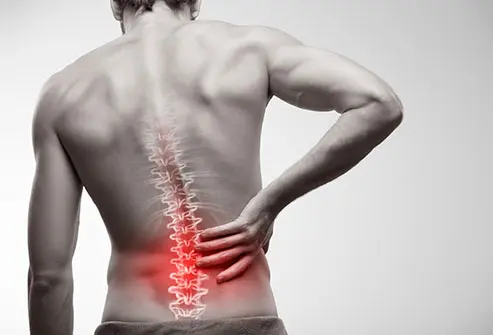
Pain can affect the neck, shoulders, back, hips, arms, legs, or multiple regions simultaneously.
Fatigue and Low Energy
Many people with inomyalgia report extreme fatigue even after getting adequate sleep. This exhaustion often feels deeper than ordinary tiredness and may reduce physical stamina throughout the day.
Muscle Stiffness
Morning stiffness is another common complaint. Individuals may feel tightness in their muscles after waking up or after sitting for extended periods.
Sleep Disturbances
Pain and discomfort can interfere with sleep quality. Some individuals with inomyalgia experience:
- Difficulty falling asleep
- Frequent waking during the night
- Restless sleep
- Feeling unrefreshed in the morning
Poor sleep may intensify pain symptoms, creating a frustrating cycle.
Cognitive Difficulties
Some individuals report concentration issues, forgetfulness, and mental fatigue. These symptoms are sometimes described as brain fog.
Increased Sensitivity
People with inomyalgia may become more sensitive to:
- Temperature changes
- Physical pressure
- Stress
- Loud sounds
- Bright lights
Mood Changes
Living with chronic pain can affect emotional well-being. Anxiety, frustration, irritability, and depression may develop over time if symptoms remain unmanaged.
What Causes Inomyalgia?
The exact cause of inomyalgia is not always clear. Researchers believe that several factors may contribute to the development of chronic muscular pain conditions.
Nervous System Sensitivity
One leading theory involves increased sensitivity in the nervous system. The brain and spinal cord may process pain signals differently, causing the body to amplify sensations that would normally feel mild.
Chronic Stress
Stress plays a major role in muscular tension and pain. When the body remains in a prolonged state of stress, muscles can tighten continuously, leading to inflammation and discomfort.
Stress hormones may also affect sleep quality and immune function, worsening symptoms associated with inomyalgia.
Physical Trauma
Some people develop symptoms after:
- Car accidents
- Sports injuries
- Falls
- Surgery
- Repetitive strain injuries
Trauma can sometimes trigger long-lasting pain responses within the nervous system.
Infections and Illnesses
Certain viral or bacterial infections may contribute to chronic pain conditions. After recovering from an illness, some individuals continue experiencing fatigue and muscular pain for months or years.
Sleep Disorders
Poor sleep is strongly linked to chronic pain. When restorative sleep is disrupted, the body struggles to repair muscles and regulate inflammation effectively.
Genetic Factors
Family history may increase susceptibility to inomyalgia or similar pain-related conditions. Some individuals may inherit a greater sensitivity to pain signals.
Sedentary Lifestyle
Lack of movement can weaken muscles and reduce flexibility, contributing to stiffness and discomfort over time.
How Inomyalgia Affects Daily Life
The impact of inomyalgia extends far beyond physical discomfort. Chronic pain influences almost every aspect of a person’s routine.

Work Performance
People experiencing persistent pain may struggle with:
- Sitting for long periods
- Physical labor
- Concentration
- Productivity
- Energy levels
Frequent flare-ups can make maintaining a regular work schedule difficult.
Relationships
Living with inomyalgia can place emotional strain on personal relationships. Friends and family members may not fully understand invisible pain conditions, which sometimes leads to misunderstandings.
Physical Activity
Exercise may become challenging due to discomfort and fatigue. However, avoiding movement entirely can worsen symptoms over time.
Mental Health
Chronic pain often affects emotional balance. Long-term discomfort can create feelings of isolation, helplessness, and frustration.
Diagnosing Inomyalgia
Diagnosing inomyalgia can be complicated because symptoms overlap with many other medical conditions.
Doctors usually begin with a comprehensive evaluation that includes:
- Medical history
- Physical examination
- Symptom review
- Blood tests
- Imaging studies if necessary
The purpose of testing is often to rule out other conditions such as:
- Rheumatoid arthritis
- Lupus
- Thyroid disorders
- Multiple sclerosis
- Vitamin deficiencies
- Chronic fatigue syndrome
Because there is no single laboratory test specifically for inomyalgia, diagnosis often depends on symptom patterns and the exclusion of other illnesses.
The Connection Between Inflammation and Inomyalgia
Inflammation may contribute to muscle pain and tenderness in some individuals with inomyalgia.
Inflammatory responses can develop due to:
- Chronic stress
- Poor diet
- Sleep deprivation
- Autoimmune activity
- Sedentary habits
Reducing inflammation through lifestyle changes may help improve symptom management.
Foods That May Help Support Recovery
Nutrition plays an important role in supporting muscle health and reducing discomfort.
Anti-Inflammatory Foods
Foods commonly associated with lower inflammation include:
- Fatty fish rich in omega-3 fatty acids
- Leafy green vegetables
- Berries
- Nuts and seeds
- Olive oil
- Turmeric
- Ginger
Hydration
Dehydration can worsen muscle cramps and fatigue. Drinking enough water throughout the day supports muscle function and circulation.
Magnesium-Rich Foods
Magnesium supports muscle relaxation and nerve function. Helpful sources include:
- Spinach
- Almonds
- Avocados
- Black beans
- Pumpkin seeds
Foods to Limit
Some people with inomyalgia report increased symptoms after consuming:
- Excess sugar
- Highly processed foods
- Excess alcohol
- Artificial additives
- Trans fats
Keeping a symptom journal may help identify individual food triggers.
Exercise and Movement Strategies
Movement can be difficult during pain flare-ups, but gentle physical activity often improves symptoms over time.
Low-Impact Exercise
Many individuals with inomyalgia benefit from:
- Walking
- Swimming
- Cycling
- Yoga
- Stretching
- Tai chi
Low-impact activities support circulation, flexibility, and muscle strength without placing excessive stress on the joints.
Pacing Techniques
Overexertion can trigger symptom flare-ups. Pacing involves balancing activity with adequate rest.
Instead of completing all tasks at once, individuals may benefit from:
- Breaking activities into smaller steps
- Taking scheduled breaks
- Alternating physical and mental tasks
- Avoiding sudden bursts of intense activity
Strength Training
Light resistance training may improve muscle endurance and posture when performed gradually.
Sleep and Inomyalgia
Quality sleep is one of the most important factors in managing chronic pain.
Creating Better Sleep Habits
Helpful sleep practices include:
- Maintaining a consistent bedtime
- Reducing screen exposure before bed
- Keeping the bedroom cool and dark
- Limiting caffeine late in the day
- Practicing relaxation exercises
Sleep Disorders and Pain
Conditions such as sleep apnea or insomnia may worsen symptoms of inomyalgia. Addressing sleep issues often improves energy and pain levels.
The Role of Stress Management
Stress has a powerful effect on muscular tension and nervous system activity.
Relaxation Techniques
People with inomyalgia may benefit from:
- Meditation
- Deep breathing exercises
- Guided imagery
- Progressive muscle relaxation
- Mindfulness practices
Counseling and Therapy
Cognitive behavioral therapy and other forms of counseling can help individuals cope with chronic pain and emotional stress.
Managing mental health does not mean the pain is imaginary. Instead, it acknowledges the strong connection between emotional stress and physical symptoms.
Medical Treatments for Inomyalgia
Treatment plans vary depending on symptom severity and underlying health factors.
Pain Relief Medications
Doctors may recommend:
- Nonsteroidal anti-inflammatory drugs
- Muscle relaxants
- Certain antidepressants
- Nerve pain medications
Medication choices depend on the individual’s overall health profile.
Physical Therapy
Physical therapists can create customized exercise programs designed to improve:
- Mobility
- Flexibility
- Strength
- Posture
- Pain management
Massage Therapy
Some individuals experience relief through massage therapy, which may help reduce muscle tension and improve circulation.
Acupuncture
Acupuncture has gained popularity as a complementary treatment for chronic pain conditions. Some people with inomyalgia report reduced discomfort and better relaxation after sessions.
Heat and Cold Therapy
Applying heat may relax tight muscles, while cold packs can help reduce inflammation during flare-ups.
Alternative and Holistic Approaches
Many individuals explore complementary therapies alongside traditional medical care.
Herbal Support
Certain herbs are commonly used for inflammation and muscle discomfort, including:
- Turmeric
- Boswellia
- Ginger
- Ashwagandha
Before trying supplements, individuals should consult a healthcare provider to avoid interactions with medications.
Chiropractic Care
Some people with inomyalgia seek chiropractic treatment to address posture issues and musculoskeletal tension.
When working to correct these skeletal and joint misalignments, consulting an experienced chiropractor can play a key role in reducing localized physical discomfort. Routine manual therapeutic alignments can help lower systemic stress levels and improve nerve pathway communication, which supports long-term recovery and eases persistent muscle fatigue.
Aromatherapy
Essential oils such as lavender and peppermint may support relaxation and stress reduction.
Inomyalgia and Mental Health
The connection between chronic pain and mental health is significant.
Persistent pain can contribute to:
- Anxiety
- Depression
- Social withdrawal
- Sleep problems
- Emotional exhaustion
At the same time, emotional stress may increase muscular tension and pain sensitivity.
Building Emotional Resilience
Helpful strategies include:
- Joining support groups
- Talking openly with trusted friends or family
- Practicing self-compassion
- Setting realistic expectations
- Celebrating small improvements
Living with inomyalgia requires patience and long-term adaptation.
When to Seek Medical Attention
Although muscle discomfort can occur for many reasons, certain symptoms should never be ignored.
Seek medical care if pain is accompanied by:
- Sudden weakness
- Difficulty breathing
- Severe swelling
- Fever
- Unexplained weight loss
- Numbness or paralysis
- Chest pain
A healthcare provider can determine whether symptoms are related to inomyalgia or another medical condition.
Myths and Misunderstandings About Inomyalgia
Several misconceptions continue to surround chronic pain conditions.
“It’s Just Normal Muscle Pain”
Inomyalgia is more complex than ordinary post-workout soreness. Chronic symptoms can significantly affect quality of life.
“The Pain Is Psychological”
Pain associated with inomyalgia is real. While emotional stress may influence symptoms, the physical discomfort experienced by patients should never be dismissed.
“Exercise Always Makes It Worse”
Excessive activity can worsen symptoms, but gentle and consistent movement often improves long-term outcomes.
“There’s Nothing That Can Help”
Many individuals achieve symptom relief through a combination of lifestyle changes, medical treatment, therapy, exercise, and stress management.
Long-Term Management Strategies
Managing inomyalgia usually requires a comprehensive and individualized approach.
Tracking Symptoms
Keeping a journal may help identify patterns involving:
- Sleep
- Diet
- Weather changes
- Stress levels
- Activity intensity
Creating Sustainable Routines
Consistency often matters more than intensity.
Small daily habits such as stretching, hydration, balanced meals, and stress reduction can create meaningful improvements over time.
Building a Support Network
Support from healthcare providers, loved ones, and chronic pain communities can make the journey less isolating.
The Importance of Early Intervention
Addressing symptoms early may help prevent worsening discomfort and long-term complications.
People who seek medical advice sooner are often better able to:
- Identify contributing factors
- Develop treatment plans
- Improve mobility
- Reduce stress
- Maintain physical function
Ignoring chronic pain for extended periods can lead to reduced activity levels and additional health concerns.
Can Inomyalgia Be Prevented?
Not all cases can be prevented, but certain habits may reduce the risk of chronic muscular pain.

Prioritize Sleep
Consistent, restorative sleep supports recovery and nervous system balance.
Stay Physically Active
Regular movement helps maintain muscle flexibility and circulation.
Manage Stress Effectively
Stress management techniques can reduce muscle tension and inflammation.
Eat a Balanced Diet
Nutritious foods provide the body with the vitamins and minerals needed for muscle repair and immune support.
Avoid Overtraining
Excessive exercise without recovery can strain muscles and increase pain sensitivity.
Research and Future Developments
Ongoing research continues to explore the neurological, inflammatory, and genetic factors involved in chronic pain conditions like inomyalgia.
Scientists are investigating:
- Nervous system regulation
- Pain-processing pathways
- Inflammatory biomarkers
- Personalized treatment approaches
- Sleep and recovery science
As understanding improves, more targeted therapies may become available in the future.
Living Well With Inomyalgia
Although living with chronic pain can be challenging, many individuals learn to manage symptoms successfully and maintain fulfilling lives.
The key often lies in combining multiple supportive strategies rather than relying on a single solution.
People who manage inomyalgia effectively frequently focus on:
- Balanced daily routines
- Gentle movement
- Consistent sleep habits
- Emotional wellness
- Medical guidance
- Stress reduction
- Healthy nutrition
Progress may occur gradually, but small improvements can add up significantly over time.
Final Thoughts
Inomyalgia is a complex condition that affects the muscles, nervous system, energy levels, sleep quality, and emotional well-being. Because symptoms vary widely between individuals, successful management often requires a personalized and flexible approach.
Understanding the condition is an important first step toward better symptom control and improved quality of life. Through proper medical support, healthy lifestyle habits, movement, stress management, and consistent self-care, many people living with inomyalgia can reduce discomfort and regain greater control over their daily lives.
As awareness of chronic pain conditions continues to grow, more individuals are finding validation, treatment options, and supportive communities that help them navigate the challenges associated with inomyalgia.
For more visit: do escritor
check this: href
